Mars
The first colony, partially terraformed.
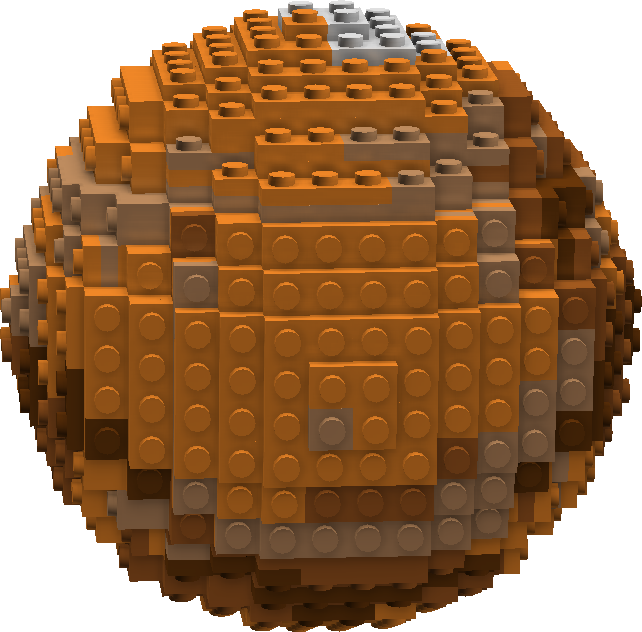
The first world colonised with early warp drives. Engineered life now colours its sheltered lowlands, but the air is still too thin to breathe.
- Star
- Sol
- Gravity
- 0.38 g
- Population
- ~2 million
- Breathable
- No: sealed suits needed
Statistics
| Where it is | |
|---|---|
| Star | Sol |
| Designation | — |
| Star type | G2V yellow dwarf |
| Distance from Sol | 0.5–2.5 AU from Earth (12 hours to 2.5 days by Level 1) |
| Orbit | 1.52 AU from the Sun |
| Year | 687 days |
| Day | 24.6 hours |
| Real-world status | Real |
| Size | |
| Type | Partially terraformed desert |
| Radius | 0.53 Earth radii (3,390 km) |
| Mass | 0.11 Earth masses |
| Density | 3.9 g/cm³ |
| Surface gravity (g) | 0.38 |
| Environment | |
| Atmosphere | Thin carbon dioxide, still far too thin to breathe |
| Breathable | No: sealed suits needed |
| Temperature | Averages about −60 °C |
| Surface | Desert; bio-engineered bacteria, lichens, mosses and fungi colour sheltered lowlands and crater floors |
| History | |
| First explored | Robotic probes from 1965 |
| Colonised | 2,035 |
| People | |
| Population (2076) | ~2 million |
| Role | Humanity's first colony beyond Earth |
Terraforming
Partial. Bio-engineered bacteria, lichens, mosses and fungi now colour sheltered lowlands and crater floors. The atmosphere is still thin, and people outside need pressure suits or sealed vehicles.
The lost natives
Indigenous Martian micro-organisms were confirmed too late (~2058), shortly before they were wiped out by the spread of engineered Earth life. This remains a scientific tragedy and a source of lasting guilt that shapes how humans approach every alien biosphere since, including the cautious approach at Retinal and Giganto.
Rumours
Stories persist of macroscopic, even intelligent, Martian life. None have ever been confirmed.